
Professional Standards and Training
Officer Development and ComplianceProfessional Standards and Training maintains department policy, tracks compliance and coordinated 8,844 hours of training in 2025.
8,844
Training Hours
Department-wide in 2025
7,501
Officer Training Hours
4
Officers Completed FTO
2025
178
Policies Reviewed Annually
About the Professional Standards and Training
The Professional Standards and Training office oversees the implementation and review of policies and procedures for the police department and stays current on the latest training techniques, legal rulings, community policing practices and officer development. As an accredited department, it maintains training records, policy and procedure conformance and staff development, and ensures the department complies with Michigan Commission on Law Enforcement Standards (MCOLES) requirements.
In 2025 department members attended a total of 8,844 hours of training. Officers accounted for 7,501 hours, dispatchers 868.5 hours, administrative staff 222.5 hours, and guards, cadets and the chaplain 252 hours. Training is delivered in accordance with MCOLES, the Michigan Law Enforcement Accreditation Commission (MLEAC) and the Michigan Municipal League (MML).
Two structured programs bring new employees up to standard. The Field Training Officer program develops newly hired police officers, and the Communication Training Officer program trains new dispatchers. In 2025 four officers completed FTO and two dispatchers completed CTO. Both programs pair the new employee with an experienced trainer and evaluate progress phase by phase before the employee works independently.
The office also produces the annual analyses that accreditation requires, including the 2025 use of force review, the vehicle and foot pursuit review and the K-9 analysis prepared by Lt. R. Fitzpatrick. In May 2025 Sergeants D. Johnson and M. Ogden graduated from the Northwestern University School of Police Staff and Command, and Lt. M. McPhillips graduated from the FBI National Academy.
Responsibilities
- Implement and review all department policies and procedures
- Maintain compliance with MCOLES training standards and MLEAC accreditation standards
- Schedule and document training for officers, dispatchers, cadets and civilian staff
- Administer the Field Training Officer and Communication Training Officer programs
- Prepare annual analyses of use of force, pursuits, internal affairs investigations, employee collisions and employee injuries
- Conduct internal affairs investigations and review citizen complaints
- Complete background investigations for police applicants
- Track officer development, certifications and legal updates
Field Training Officer Program
The FTO program is tasked with the training, guidance and development of newly hired police officers through a structured, methodical program. A new officer works alongside experienced Field Training Officers through progressive phases before being released to solo patrol. In 2025 the department sent four officers through the FTO program.
Communication Training Officer Program
The CTO program is designed for training new dispatchers and includes 40 hours of Emergency Medical Dispatch training along with call assessment, radio and CAD instruction. In 2025 the department sent two dispatchers through the CTO program.
Use of Force and Pursuit Review
Every use of force and every pursuit is reviewed by a supervisor, and the office compiles an annual analysis for accreditation. In 2025 officers had contact with 38,362 individuals and documented 75 uses of force, or 0.19% of contacts, down from 0.23 percent in 2024. There were no incidents of deadly force in 2024 or 2025, and the review found no issues with policy, training or equipment.
The department recorded 20 pursuits in 2025, 13 by vehicle and 7 on foot, with no injuries to officers or suspects. Nineteen were found in compliance with policy and one resulted in a policy change. Both reviews recommend continued annual policy review, roll call and virtual academy training, and the yearly six-hour defensive tactics course that includes de-escalation and duty to intervene.
Training Courses Completed in 2025
Department members attended the following courses during the year, ranging from executive leadership programs to crisis intervention, crash investigation and dispatcher certification.
- Northwestern University School of Police Staff and Command
- High-Risk Unified Commander Training (HRUC)
- Digital Threat Assessment Training (DTA)
- North American Active Assailant Conference
- Tactical Emergency Casualty Care for Law Enforcement Officers and First Responders
- Crisis Negotiator Training
- Heartsaver Program: First Aid, CPR and AED Training
- OSHA General Industry Safety and Health Course
- F.A.N. Quick Response Team Training (QRT)
- Overdose Death Scene Investigation Training
- Peer Support Training
- Crisis Intervention Training (CIT)
- Digital Photography in Law Enforcement and Special Methods in Crime Scene Investigation
- Carter Kits: Autism Spectrum Disorder Training
- Commercial Motor Vehicle: General Enforcement
- Commercial Motor Vehicle: Size and Weight Enforcement
- At-Scene Traffic Crash Investigation
- Comprehensive Steps to Investigating the Distracted Driving Crash
- Military and First Responders, Thrive 101: Resilience Fundamentals
- Military and First Responders, Thrive 201: Peer Support Resilience
- K9 Decoy: High Stress Scenario Training
- Undercover Narcotics School
- National Association of Professional Canine Handlers (NAPCH) National K9 Workshop
- Public Safety Telecommunicator Training
- Active Shooter Attack Prevention and Preparedness (ASAPP) Training
- Call Assessment Training
- Records Retention and Disposal
- Background Investigation for Police Applicants
- Ethics Training
- Implicit Bias: Recognition, Reduction and Prevention
- Internal Affairs: Criminal versus Administrative Investigation
- Cop Shock: Surviving the Emotional Repercussions of Law Enforcement and Other Emergency Services Activity
- Security and Privacy Training
- Intoxilyzer 9000 Training
- Homeland Security for Telecommunicators
- Kidnapping Emergencies
By the Numbers
Professional Standards and Training Activity
| Personnel Group | Hours |
|---|---|
| Officers | 7,501.00 |
| Dispatchers | 868.50 |
| Administrative staff | 222.50 |
| Guards, cadets and chaplain | 252.00 |
| Total | 8,844.00 |
| Year | Vehicle Pursuits | Stand-Alone Foot Pursuits |
|---|---|---|
| 2019 | 12 | Not reported |
| 2020 | 19 | Not reported |
| 2021 | 25 | 8 |
| 2022 | 15 | 3 |
| 2023 | 12 | 5 |
| 2024 | 18 | 9 |
| 2025 | 13 | 7 |
Professional Standards and Training Staff
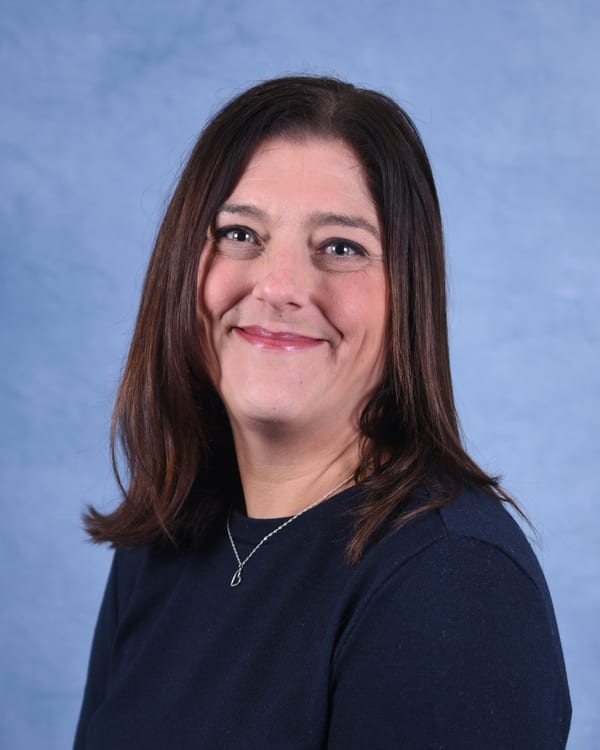
Sara Lebron
Accreditation Manager / Administrative Assistant
Video
Watch
Frequently Asked Questions
How much training do officers receive?
In 2025 department members attended 8,844 hours of training, including 7,501 hours by sworn officers. Training meets MCOLES, MLEAC and Michigan Municipal League standards.
How is a complaint about an officer handled?
Complaints are submitted through the Citizen Complaint or Compliment form or by phone and are investigated by the Professional Standards office. Internal affairs investigations are summarized annually as part of accreditation.
How often is use of force reviewed?
Every use of force report is reviewed by a supervisor, and an annual analysis is prepared for accreditation. In 2025 force was used in 0.19% of police contacts, with no incidents of deadly force.
Can I read the department's policies?
Yes. See the View Policies and Procedures page for how to access department policies, or submit a FOIA request for a specific policy.